

How to Improve Fuel Efficiency and Save Money on Gas
- Ritwik Yadav
- Jun 17
- 3 min read

Practical Tips for Drivers in Bonnyville & Cold Lake
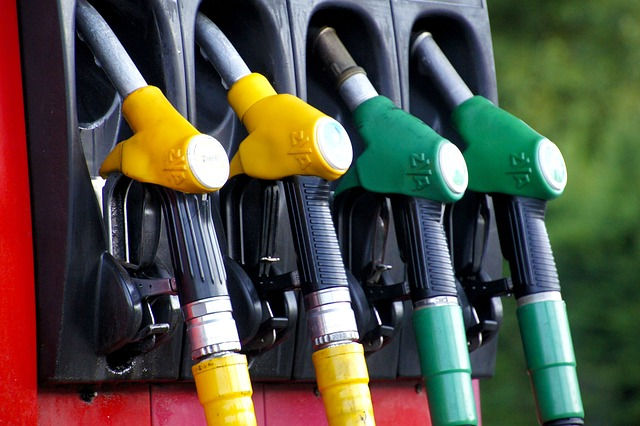
With fuel prices constantly changing, many drivers are looking for ways to get more kilometers from every tank of gas. The good news is that improving fuel efficiency doesn't always require major vehicle repairs or expensive upgrades.
Simple maintenance habits and smart driving practices can help reduce fuel consumption, improve vehicle performance, and save money throughout the year.
At Tidy Lube, we help drivers in Bonnyville and Cold Lake keep their vehicles running efficiently with regular maintenance services designed to maximize fuel economy.
Why Fuel Efficiency Matters
Better fuel efficiency means:
Lower fuel costs
Fewer trips to the gas station
Reduced engine wear
Lower emissions
Better overall vehicle performance
Even small improvements in fuel economy can add up to significant savings over time.
1. Keep Your Tires Properly Inflated
One of the easiest ways to improve fuel efficiency is maintaining the correct tire pressure.
Underinflated tires create more rolling resistance, forcing your engine to work harder and consume more fuel.
Tips:
Check tire pressure monthly
Follow manufacturer recommendations
Inspect tires before long trips
Monitor tire pressure during seasonal temperature changes
2. Replace Dirty Engine Air Filters
Your engine needs a proper balance of air and fuel for efficient combustion.
A dirty engine air filter can restrict airflow and reduce engine performance.
Signs of a Dirty Air Filter
Sluggish acceleration
Reduced fuel economy
Rough engine performance
Visible dirt buildup
Replacing a clogged air filter is a simple maintenance task that can help restore engine efficiency.
You can learn more about vehicle filter replacement in our detailed article.
3. Stay Current with Oil Changes
Fresh engine oil reduces friction and helps engine components operate smoothly.
Old or contaminated oil can force your engine to work harder, which may increase fuel consumption.
Regular oil changes help:
Improve engine efficiency
Reduce wear
Maintain performance
Support better fuel economy
You can learn more about how often you should change your oil in our detailed guide.
4. Avoid Excessive Idling
Many drivers leave their vehicles running longer than necessary, especially during Alberta winters.
While warming up your vehicle briefly is helpful, excessive idling wastes fuel without improving vehicle performance.
Modern vehicles generally require less warm-up time than older models.
5. Remove Unnecessary Weight
Extra weight increases fuel consumption.
Consider removing:
Unused tools
Heavy equipment
Seasonal items no longer needed
Unnecessary cargo
Reducing vehicle weight helps improve overall efficiency.
6. Drive Smoothly
Aggressive driving habits can significantly increase fuel usage.
Fuel-Saving Driving Habits
Accelerate gradually
Maintain steady speeds
Avoid hard braking
Use cruise control on highways when appropriate
Anticipate traffic conditions
Smooth driving helps maximize every litre of fuel.
7. Keep Up with Routine Vehicle Maintenance
Why Routine Maintenance Helps Improve Fuel Efficiency
Neglected maintenance can reduce engine performance and increase fuel consumption.
Important maintenance items include:
Oil changes
Air filter replacement
Fluid inspections
Tire pressure checks
Battery inspections
Following a regular maintenance schedule helps your vehicle operate at peak efficiency.
How Alberta Weather Affects Fuel Economy
Drivers in Alberta often experience:
Cold winter temperatures
Snow-covered roads
Strong winds
Longer warm-up periods
These conditions can reduce fuel efficiency, especially during winter months.
Proper vehicle maintenance becomes even more important when driving in Northern Alberta.
Frequently Asked Questions
Does tire pressure affect fuel economy?
Yes. Underinflated tires increase rolling resistance and can reduce fuel efficiency.
Can an oil change improve fuel efficiency?
Fresh oil helps reduce engine friction and supports optimal engine performance.
Does cold weather reduce fuel economy?
Yes. Cold temperatures can increase fuel consumption and reduce overall efficiency.
Can a dirty air filter increase fuel consumption?
A clogged air filter can restrict airflow and negatively affect engine performance.
Improve Fuel Efficiency with Regular Maintenance
Improving fuel efficiency doesn't require major changes. Simple maintenance tasks and better driving habits can help you save money while extending the life of your vehicle.
Whether you need an oil change, filter inspection, or routine maintenance, Tidy Lube is here to help drivers in Bonnyville and surrounding communities keep their vehicles running efficiently year-round.
📍 4502 54 Ave, Bonnyville, AB T9N 1B1
📞 780-826-7097


Comments